


Guides
A Beginner’s Guide to Buying Your First CS2 Skin

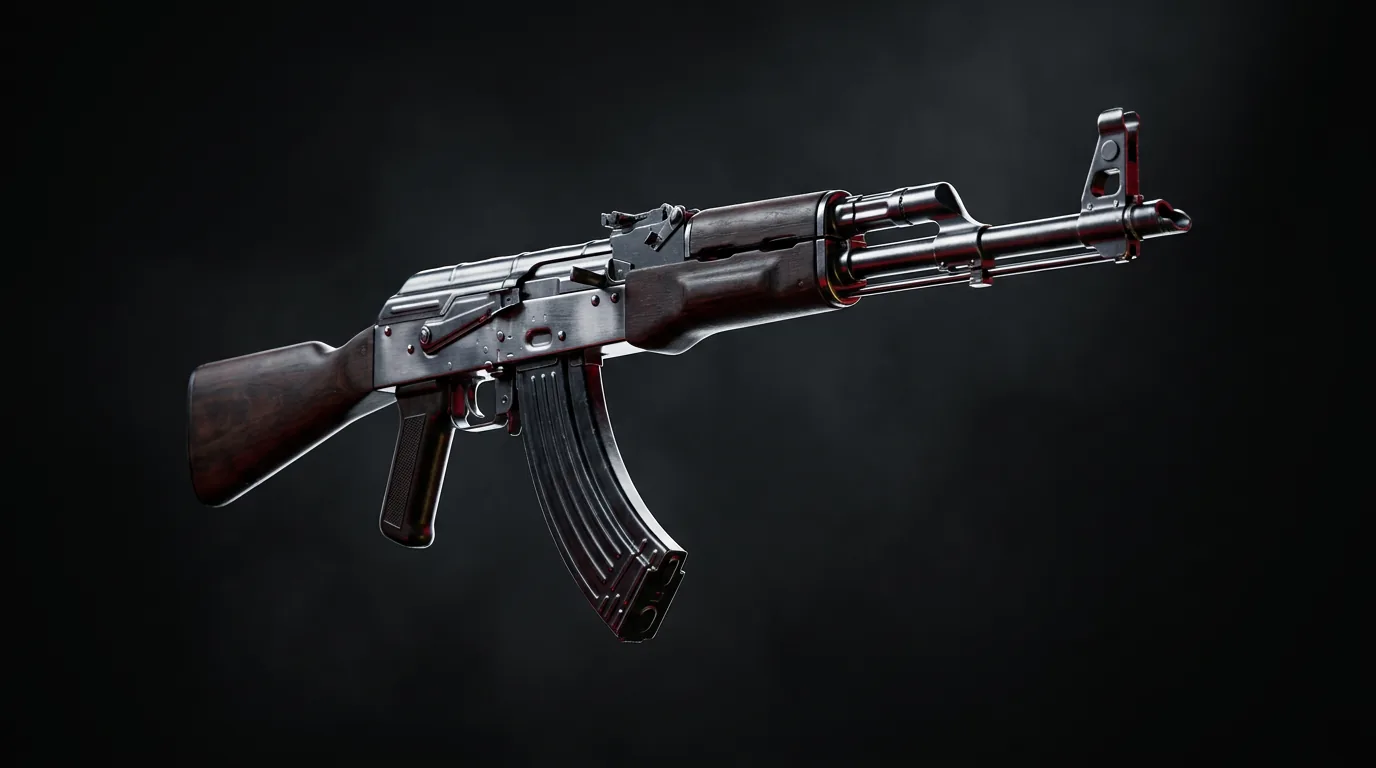
Your first skin purchase is where most people either learn the market or donate to it. The good news is that nearly every beginner mistake comes from skipping one of about six checks, and none of them are complicated. Here’s the full process, in the order you should actually do it.
Decide what you’re buying for
Be honest about this before you look at a single listing, because it changes every subsequent decision.
If you’re buying to enjoy the game, the only thing that matters is whether you like looking at the weapon during a round. Resale value, rarity tier and float decimals are secondary to that, and optimising for them will lead you to a skin you don’t actually want.
If you’re buying with an eye on value retention, you’re now in a different exercise: you care about liquidity, supply trajectory, and how easily you can sell to someone else later. That means favouring popular weapons, well-known finishes and conditions with deep buyer pools, even when a more obscure skin looks better to you.
Most people are somewhere in between, which is fine — just know where you sit. The worst outcome is buying an illiquid skin you don’t love because someone told you it was an investment.
Start with the weapons you actually use
CS2 uses a loadout system rather than showing every item you own, and you only see a weapon when you buy it in a round. A beautiful skin for a gun you never purchase is a screenshot, not an experience.
Look at what you actually hold. For most players that’s an AK-47 or M4 depending on side, a pistol you use on eco rounds, possibly an AWP, and — if you go that far — a knife and gloves, which are on screen constantly regardless of what you buy. Those are the items where money translates into visible enjoyment.
This is also where the market’s demand is concentrated, so it happens to be the sensible choice for resale too. The overlap is convenient: the skins that are most fun to own are largely the ones that are easiest to sell.
The four things that define any item
Every listing you look at is describing four separate properties. Learn to read them as four, not one.
The finish. The skin name itself — this sets the base value.
The wear. One of five brackets: Factory New (float 0.00–0.07), Minimal Wear (0.07–0.15), Field-Tested (0.15–0.38), Well-Worn (0.38–0.45), Battle-Scarred (0.45–1.00). The bracket name is coarse; the exact float inside it matters, because a Field-Tested at 0.16 and one at 0.37 are very different weapons.
The pattern. Also called the paint seed. On most skins it’s irrelevant. On a specific set of finishes it determines the colour arrangement and can be worth more than everything else combined.
The extras. StatTrak status, Souvenir status, applied stickers, a name tag, an attached charm. Each of these shifts value in its own direction, and some of them shift it downward.
What to check before you click buy
| Check | Why it matters |
|---|---|
| Exact float, not just the bracket | Tells you where in the bracket the item sits |
| The finish’s own float range | A “low” number means nothing without the skin’s floor |
| Inspect the item in-game | Renders differ from thumbnails; this is the only real test |
| Stickers applied | Changes value in either direction, and scraping is destructive |
| Name tag | Custom names usually narrow the buyer pool |
| Trade lock status | Locked items can’t be moved for a week |
| Recent sold prices for the same configuration | Asking prices are opinions; sold prices are evidence |
That last row is the one people skip. A listing price is what one seller hopes to receive. It becomes meaningful only once you’ve compared it against what similar copies have actually changed hands for recently, in the same wear band, with the same extras.
Inspect the skin. Actually inspect it.
Thumbnails lie. They’re rendered under flattering lighting at a flattering angle, usually of a low-float example, and they tell you almost nothing about how the weapon looks in your hands during a round.
Open the inspect view. Look at the model from the first-person angle you’ll actually see. Check where wear has landed, where any stickers sit, and — if it’s a StatTrak item — where the counter module cuts across the artwork. Five minutes here prevents the most common form of buyer’s remorse, which isn’t overpaying, it’s buying a skin that looked completely different in the store than it does in a match.
Trade locks and timing
Items are frequently subject to a trade cooldown, typically seven days, during which they can’t be moved on. This is normal and not a red flag by itself, but it has two consequences.
Locked items trade at a discount to unlocked ones, because the buyer is accepting a week of market exposure they can’t exit. If you’re comfortable holding, that discount is real value. If you might want to flip quickly, it isn’t.
And a locked item is a locked item regardless of what happens next. Don’t buy into a cooldown with money you might need, and don’t assume you can change your mind halfway through.
Where beginners lose money
Buying the first listing they see. Prices for the same item vary across sellers and conditions. Compare a handful before committing.
Treating cases as a cheap way to get skins. Opening cases is a gambling mechanic with published odds heavily weighted toward the cheapest tier, plus the cost of a key each time. If you want a specific skin, buying that skin directly is almost always the cheaper route to owning it. Open cases because you enjoy opening cases, not as a purchasing strategy.
Chasing whatever is trending. New releases and hyped skins carry attention premiums that frequently fade. If you buy at peak attention, you’re the exit liquidity for someone who bought earlier.
Ignoring float entirely. Buying “Field-Tested” without checking the number means accepting whatever the seller happened to have, and the ugly end of Field-Tested is genuinely ugly.
Overpaying for stickers. Applied stickers rarely transfer their full standalone value into the weapon’s price. Paying the sum of the parts is a losing trade unless the combination is genuinely sought after.
Buying cheap skins for weapons they never use. A pile of low-value skins for guns that stay in the buy menu is money spread thin for zero visible benefit. One good skin on a weapon you buy every round beats ten on weapons you don’t.
Security basics
The skin economy attracts scammers, and beginners are the primary target. A few habits handle nearly all of it.
Keep two-factor authentication enabled on your account and never disable it because someone asks you to. Treat any unsolicited approach — a friend request followed by a trade offer, a “tournament invite”, a “middleman” who wants to hold your items — as hostile by default. Nobody legitimate needs you to hand over items first, log into an unfamiliar page, or share account details.
Be particularly wary of impersonation. Scammers copy profile pictures and display names of well-known traders and of people on your own friends list. Verify through a second channel before you act, and slow down when someone introduces urgency — urgency is the tool, not a coincidence.
Build a loadout, not a collection
Once you’ve bought one skin, the natural next step is a second one that clashes with it. Think about the set instead. Pick a colour direction and stick to it across your rifle, pistols and knife, and the whole loadout will look considerably more expensive than the sum of its parts.
A coherent budget loadout in one palette reads better than a random assortment of pricier items. This is the cheapest upgrade available to you and it costs nothing but restraint.
Practical takeaway
Decide whether you’re buying for enjoyment or for value, then buy for the weapons you actually hold in a round. Read every listing as four separate properties — finish, wear, pattern, extras — and check the exact float rather than trusting the bracket name.
Inspect the item before you pay, compare against recent sold prices instead of asking prices, and understand the trade lock you’re accepting. Skip cases as a purchasing route, don’t buy into hype cycles, and keep your account locked down.
Do those things and your first purchase will be a good one. Do them every time and you’ll be ahead of most of the people you’re trading with.